Where the vehicles will be charged, how far they will travel, and which services are included in the rental package are also important factors in the decision. With Avis Fleet, you can evaluate the vehicles, contract duration, and service coverage that best suit your company's usage requirements.
What Is Electric Vehicle Fleet Rental?
Electric vehicle fleet rental is an operational leasing model that allows companies to use electric passenger cars and, where suitable, light commercial vehicles for a specified period before returning them at the end of the contract. While ownership of the vehicles remains with the rental company, the business benefits from the usage rights and services defined in the agreement. For long-term planning, rental options ranging from 12 to 47 months may be considered. The exact duration is determined according to the vehicle and quotation terms.In addition to standard fleet planning, electric vehicles require consideration of battery warranties, charging cables, access to charging points, and energy cost management. This can make it possible to proceed with predictable rental payments rather than tying up capital in vehicle purchases. You can also explore long-term vehicle rental options to compare different rental periods.
The Impact of Transitioning to an Electric Fleet on Your Business
The decision to transition to an electric fleet should not be based solely on expected fuel savings. A more meaningful assessment can be made by considering the company's annual mileage, charging methods, vehicle functions, and financial plans together. Total cost of ownership, tax considerations, and sustainability goals are key factors in this evaluation.
Total Cost of Ownership
Total Cost of Ownership (TCO) includes all expenses incurred throughout the vehicle's period of use. Rental payments, electricity consumption, maintenance, insurance, taxes, charging infrastructure, and potential vehicle downtime should all be calculated together. Although electric vehicles have fewer maintenance requirements in some areas, tire maintenance, brake inspections, and other checks are still necessary. Whether charging takes place primarily at the workplace or at public fast-charging stations can also affect the total cost.
Tax and Accounting Considerations
Special Consumption Tax (ÖTV) and Motor Vehicle Tax (MTV) calculations for electric vehicles may vary depending on the vehicle's technical specifications and current legislation. Therefore, a tax advantage should not automatically be assumed for every electric model. The accounting treatment of rental expenses should also be assessed according to the company's activities and how the vehicles are used. Current tax practices and potential advantages must be verified.
Sustainability and Reporting
Fully electric vehicles produce no exhaust emissions during operation. However, their overall environmental impact varies depending on the source of electricity generation and the vehicle's life cycle. By monitoring electricity consumption, distance traveled, and charging sources, companies can obtain more reliable data for their sustainability reports.
Cost Comparison: Electric Vehicles vs. Internal Combustion Engine Vehicles
When comparing two vehicles performing the same function, it is important to consider the entire period of use rather than just the monthly rental payment. The following example illustrates how electricity and fuel consumption can be calculated. Since taxes, maintenance, and contractual conditions vary by vehicle, the total cost can only be determined using current quotations.| Cost Item | Electric Vehicle | Internal Combustion Engine Vehicle |
|---|---|---|
| Energy or Fuel Requirements | Approximately 10,800 kWh | Approximately 4,200 liters |
| Energy or Fuel Cost | 10,800 kWh × charging unit price | 4,200 liters × fuel unit price |
| Maintenance and Other Services | Calculated according to the rental quotation | Calculated according to the rental quotation |
| Tax Expenses | Calculated according to vehicle specifications | Calculated according to vehicle specifications |
| Total Operating Cost | Total rental, energy, and other expenses | Total rental, fuel, and other expenses |
The example scenario is based on 36 months of use and an annual mileage of 20,000 kilometers. Electricity consumption of 18 kWh per 100 kilometers is assumed for the electric vehicle, while fuel consumption of 7 liters per 100 kilometers is assumed for the internal combustion engine vehicle. These figures do not represent the technical specifications of a particular model or an Avis Fleet quotation.
For a more comprehensive assessment of electric fleet costs, you can explore the Long-Term Electric Car Rental Advantages Guide.
Charging Infrastructure and Operational Planning
One of the most important preparations when operating an electric fleet is developing a charging plan that will not disrupt the vehicles' daily operations. Daily journeys, parking durations, and return locations should be identified before determining the number of vehicles. This information makes it easier to select suitable battery capacities and charging methods.
Installing Charging Stations at the Workplace
A workplace where vehicles remain parked for extended periods overnight or during working hours may be suitable for regular charging. Before installation, the electrical connection capacity, parking arrangements, safety requirements, and number of vehicles to be charged simultaneously should be assessed. Scheduling charging times for multiple vehicles also helps manage electrical demand. Whether the installation service is included in the rental quotation should be clarified separately.
Public Charging Networks and Corporate Billing
It is important to ensure that accessible charging stations are available along the routes used by field teams. Station locations, connector types, availability, and pricing information can be checked through the Energy Market Regulatory Authority's (EMRA) Şarj@TR platform. For corporate use, payment methods, expense documentation, and the management of employees' charging expenses should be determined in advance. Payment and billing conditions may vary between charging network operators.
Driving Range Planning
When selecting a vehicle based on its driving range, relying solely on the manufacturer's stated figure is not sufficient. In addition to daily mileage, seasonal conditions, highway driving, transported loads, and the time available for charging should be evaluated. For example, a vehicle that returns to a central location every evening may have different range requirements from a sales vehicle that travels between cities throughout the day.
Charging Costs and Rental Coverage
Electricity consumption, charging network memberships, workplace installation, and public charging station fees are separate cost items. The written quotation should specify whether these expenses are the responsibility of the lessee or whether any portion is covered by the rental package. This prevents the monthly rental payment from being confused with the actual operating costs.
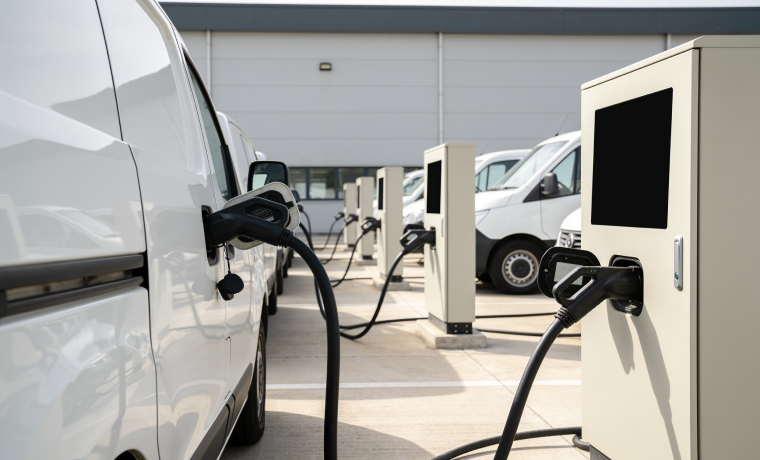
Choosing the Right Electric Vehicle for Your Fleet
Vehicle selection should begin by identifying the driver's responsibilities, followed by determining the appropriate vehicle class. Making a decision based solely on driving range, without considering luggage or cargo requirements, daily mileage, and parking facilities, may lead to inefficient results. The current availability of brands and models for rental should be confirmed during the quotation process.
Urban Driving and Field Teams
Compact electric cars may be considered for teams operating on short and predictable routes. Ease of parking, energy consumption, and the ability to charge at the end of the day are particularly important for this type of use. The selected vehicle's range under real-world driving conditions should provide a sufficient safety margin for the daily route.
Executive and Sales Teams
For drivers making intercity visits, comfort, luggage capacity, and fast-charging capabilities are more significant considerations. When determining the vehicle segment, charging stops along frequently used routes should be checked. For vehicles primarily used for long-distance travel, the time required for charging stops should also be considered rather than relying solely on the official driving range.
Electric Light Commercial Vehicles
In distribution and service operations, the load being transported and the vehicle's usable cargo capacity are just as important as the daily distance traveled. Electric light commercial vehicles may be considered by businesses with fixed delivery routes and access to charging facilities at a central location. The availability of a suitable model for rental should be confirmed through Avis Fleet's vehicle inventory.
To view current vehicle options and evaluate models suitable for your company's requirements, explore the available electric vehicle options.
Battery, Maintenance, and End-of-Contract Conditions
The battery is one of the main components of an electric vehicle and should be evaluated alongside the vehicle's usage plan. Battery warranty periods and conditions vary depending on the manufacturer, model, and usage requirements. The rental agreement should be reviewed to understand how breakdown reporting and responsibilities are handled. The charging equipment included in the vehicle delivery should also be clearly specified.Although electric vehicles do not require certain routine services, such as engine oil changes, periodic inspections are still necessary. At the end of the contract, the vehicle's condition, mileage, damage beyond normal wear and tear, and any applicable battery health assessment conditions are taken into account. Understanding delivery and return conditions in advance can help prevent unexpected costs.
The Process of Transitioning to an Electric Fleet
Transitioning an entire fleet to electric vehicles at once is not necessary for every business. An implementation plan can be developed by first assessing requirements using vehicles assigned to specific routes. The electric vehicle rental process with Avis Fleet can be approached in five main stages:
- Daily mileage and driver responsibilities are identified through a usage analysis.
- The vehicle model and rental duration are selected according to the usage profile.
- An infrastructure plan is prepared for charging facilities at the workplace and along the relevant routes.
- Rental payments, mileage allowances, and service coverage are clarified in the contract.
- Following vehicle delivery, drivers receive information about charging and vehicle operation.
Advantages of Electric Vehicle Rental with Avis Fleet
When transitioning to an electric fleet, maintaining operational continuity is just as important as choosing the vehicles themselves. Avis Fleet's Periodic Maintenance service makes it easier to plan maintenance processes, while the Courtesy Car option supports business continuity under eligible conditions. The Accident and Damage Management service can be used to manage and monitor processes following an accident.Drivers can receive assistance with vehicle-related requests through the 24/7 Full Support Hotline. Fleet managers can also monitor vehicle information, maintenance records, damage reports, and invoices through E-Branch. The scope of services covering electric vehicle batteries, charging equipment, and charging costs should be clarified separately during the quotation stage.
FAQ
Is Renting an Electric Vehicle More Advantageous Than Buying One?
It can be more advantageous depending on the business's cash flow and intended period of use. Renting reduces the need to allocate a large amount of capital to purchasing a vehicle while helping manage the risks associated with its used-car resale value. The decision should be based on a comparison of total expenses.
Are Charging Costs Included in the Rental Package?
Charging costs should not be assumed to be included in the rental package. The contract should clearly specify who is responsible for energy expenses incurred at workplace charging facilities and public charging stations. Installation and membership fees should also be evaluated separately.
How Does the Battery Warranty Work for Rental Electric Vehicles?
The battery warranty applies according to the conditions established by the vehicle manufacturer. Breakdown reports and service referrals are handled according to the procedures specified in the rental agreement. Responsibilities may vary in cases involving use or damage not covered by the warranty.
How Many Months Can an Electric Vehicle Be Rented For?
Long-term corporate rental options ranging from 12 to 47 months may be considered. The exact contract duration depends on the selected vehicle and current quotation conditions. The mileage allowance is also determined alongside the rental period.
Is Support Available for Installing Charging Stations at the Workplace?
Charging station installation or support for the installation process should be discussed separately during the quotation stage. The service should not be assumed to be included in the standard package until technical feasibility, electrical infrastructure requirements, and financial responsibility for installation have been clarified.
Are There Motor Vehicle Tax (MTV) and Special Consumption Tax (ÖTV) Advantages for Electric Vehicles?
The applicable tax burden depends on the vehicle type, specifications, and current regulations. The existence of different tax calculation rules for electric vehicles does not mean that every model offers the same advantage. Current amounts and the tax treatment of expenses should be verified by the company's finance team.
Is an Electric Vehicle's Driving Range Sufficient for Business Use?
When a suitable model is selected, electric vehicles can meet the requirements of many daily business routes. Daily distances, seasonal conditions, transported loads, and access to charging facilities should all be considered. For long-distance use, charging stops should also be included in operational planning.
My Offers
My Offers({{ basketProductCount }} Count)


{{ item.Title }}
{{ item.Description }}
{{ item.ProductProperties.ProductName }}
{{ item.ProductProperties.ProductDescription }}
{{ item.Title }}
{{ item.Description }}